
desarrollamos hoy

el vector del futuro

Factor clave para la transición energética

30 proyectos

más de

en diferentes fases de desarrollo

+ than 20 projects

at different stages of development

+ than 2,250 MWn

Estimated photovoltaic power
of all projects currently underway

+ de 3.450 MW

Estimación de potencia electrólisis
del global de los proyectos en curso

Hydrogen

The company currently has more than 20 projects in various stages of development under the Hydron brand.

Hydrogen is a non-polluting energy vector, which is why it is being touted as the solution to current problems of energy storage and polluting gas emissions into the atmosphere.

Ansasol S.L. has been committed to green hydrogen since February 2020, when the first analysis, evaluation and development for a green hydrogen generation plant using renewable energies was carried out.

The company currently has more than 20 projects in different stages of development under the Hydron label, Ansasol’s brand created especially for its new green hydrogen business line.

Spain’s Hydrogen Roadmap is a national commitment to renewable hydrogen. It is a plan to promote the deployment of this sustainable energy vector, which will be key to achieving climate neutrality with a 100% renewable electricity system by 2050 at the latest.

Objetivos de Desarrollo Sostenible. En 2015, todos los Estados Miembros de las Naciones Unidas aprobaron 17 Objetivos como parte de la Agenda 2030 para el Desarrollo Sostenible, en el cual se establece un plan para alcanzar los Objetivos en 15 años

  • Al menos 4 GW de electrolizadores instalados.
  • Contribución mínima de hidrógeno renovable (25%).
  • 150/200 autobuses – 5.000/7.500 vehículos ligeros y pesados – 100/150 hidrogeneras – Trenes en 2 líneas comerciales – Maquinaria handling en puertos y aeropuertos
  • 4,6 millones de toneladas de CO2 eq no emitidas a la atmósfera
  • Inversión estimada de 8.900 millones de euros

Aceleración de la economía basada en la producción y aplicación de hidrógeno renovable y sociedad descarbonizada para 2050, garantizando un abastecimiento energético de calidad, sostenible y a precios competitivos

Siendo parte del Pacto Verde Europeo, (European Green Deal), se fundamenta en:

  • Plan Nacional Integrado de Energía y clima 2021-2030 (PNIEC).
  • Ley de Cambio Climático y Transición Energética.
  • Estrategia a Largo Plazo para una Economía Española Moderna, Competitiva y  Climáticamente Neutra en 2050
4.600.000 ton

de CO2 eq NO emitidas a la atmósfera
desarrollamos hoy

el vector del futuro

Factor clave para la transición energética

30 proyectos

más de

en diferentes fases de desarrollo

+ than 20 projects

at different stages of development

+ than 2,250 MWn

Estimated photovoltaic power
of all projects currently underway

+ than 3,450 MW

Estimated electrolysis power
for all projects currently underway

Hydrogen

The company currently has more than 20 projects in various stages of development under the Hydron brand.

Hydrogen is a non-polluting energy vector, which is why it is being touted as the solution to current problems of energy storage and polluting gas emissions into the atmosphere.

Ansasol S.L. has been committed to green hydrogen since February 2020, when the first analysis, evaluation and development for a green hydrogen generation plant using renewable energies was carried out.

The company currently has more than 20 projects in different stages of development under the Hydron label, Ansasol’s brand created especially for its new green hydrogen business line.

Spain’s Hydrogen Roadmap is a national commitment to renewable hydrogen. It is a plan to promote the deployment of this sustainable energy vector, which will be key to achieving climate neutrality with a 100% renewable electricity system by 2050 at the latest.

Sustainable Development Goals. In 2015, all United Nations Member States adopted 17 Goals as part of the 2030 Agenda for Sustainable Development, which sets out a plan to achieve the Goals in 15 years.

  • At least 4 GW of electrolysers installed.
  • Minimum contribution of renewable hydrogen (25%).
  • 150/200 buses – 5,000/7,500 light and heavy vehicles – 100/150 hydrogen refuelling stations – Trains on 2 commercial lines – Handling machinery in ports and airports
  • 4.6 million tonnes of CO2 eq not emitted into the atmosphere
  • Estimated investment of €8.9 billio

Acceleration of the economy based on the production and application of renewable hydrogen and a decarbonised society by 2050, ensuring a high-quality, sustainable energy supply at competitive prices.

As part of the European Green Deal, it is based on:

  • The 2021-2030 Integrated National Energy and Climate Plan (PNIEC).
  • Climate Change and Energy Transition Act.
  • Long-Term Strategy for a Modern, Competitive and Climate-Neutral Spanish Economy in 2050
4.600.000 ton

CO2 eq not emitted into the atmosphere

Projects

Ansasol promotes the development of green hydrogen projects as a strategic pillar of its commitment to sustainability and energy transition, integrating renewable energies and innovative technologies to produce clean solutions that contribute significantly to reducing emissions and the responsible use of energy resources.

These projects strengthen energy security and promote industrial development, positioning Ansasol as a key player in the hydrogen economy and in meeting long-term climate and decarbonisation targets.

Continuously growing

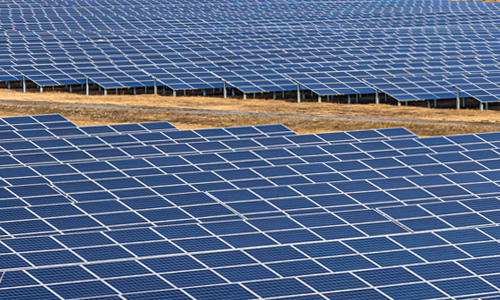
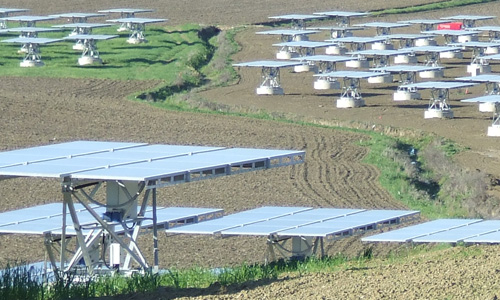
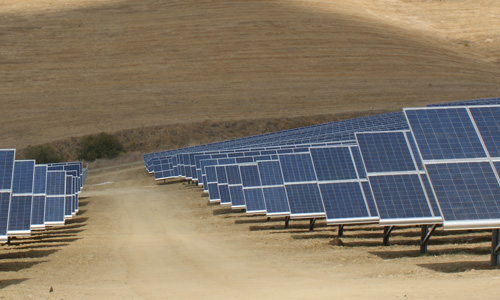
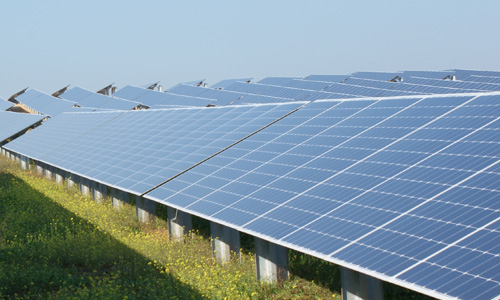
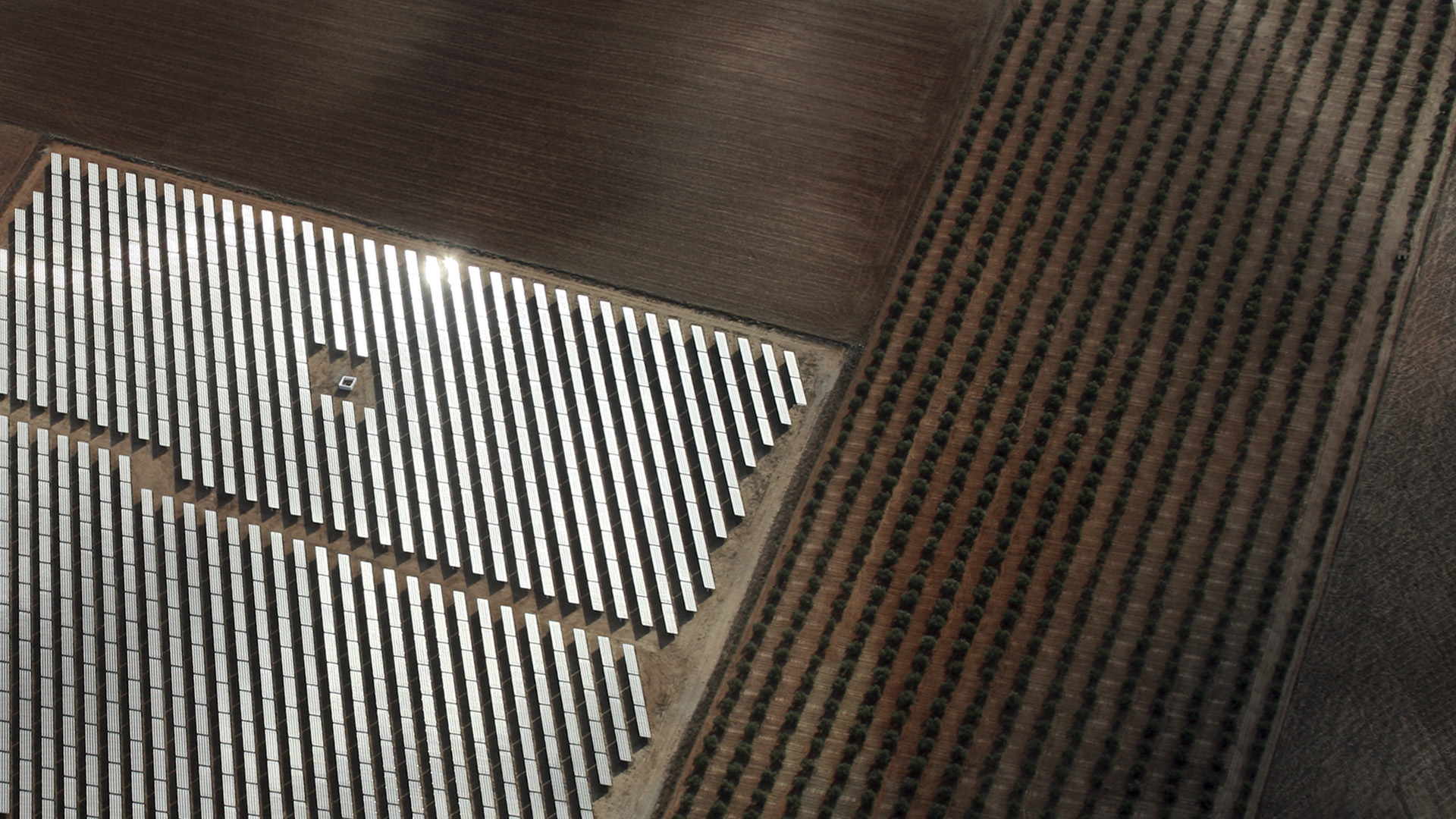
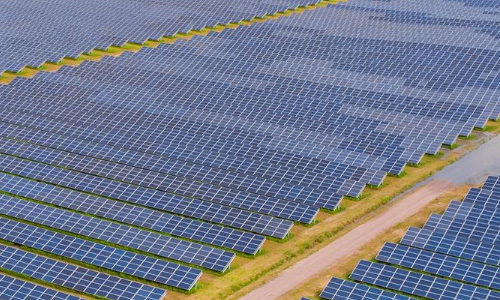
Ansasol develops photovoltaic parks throughout the country. Thanks to the creation of electrolysis plants, green hydrogen will be obtained and transported via a distribution network or by land to the places of use or nearby hydrogen stations.

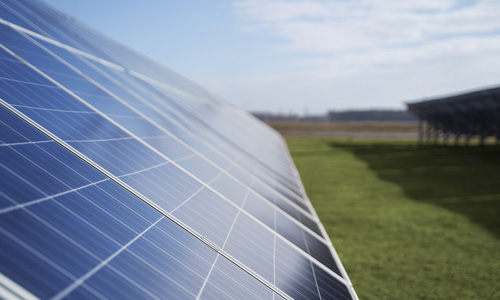
Ansasol also promotes on-site hydrogen production by installing solar modules on the roofs of warehouses or facilities where hydrogen will be used as fuel.

Continuously growing

Ansasol develops photovoltaic parks throughout the country. Thanks to the creation of electrolysis plants, green hydrogen will be obtained and transported via a distribution network or by land to the places of use or nearby hydrogen stations.

Ansasol also promotes on-site hydrogen production by installing solar modules on the roofs of warehouses or facilities where hydrogen will be used as fuel.

Hydrogen derivatives

These initiatives integrate the use of biogenic CO₂ as a raw material, contributing to the defossilisation of key sectors of industry and transport.

Under our Hydron brand, we develop innovative synthetic fuel projects based on green hydrogen, aimed at accelerating the transition to a climate-neutral economy.

These initiatives integrate the use of biogenic CO2 as a raw material, contributing to the defossilisation of key sectors of industry and transport. The projects under development involve the synthesis of sustainable methanol, methane and ammonia using advanced technologies, in line with European RFNBO requirements.

These solutions enable fossil fuels to be replaced by renewable alternatives, promoting the reduction of emissions and the recovery of renewable resources.

Hydrogen stations

Ansasol, as a company of the future, is also committed to monitoring hydrogen production and consumption at hydrogen stations, so that users can schedule refuelling based on the above parameters and their own organisation, needs and consumption.

– Size: Nano. Dispenser. Modular and scalable.

– Compression/storage capacity: approx. 80 kg/day.

– Option to add external tank.

– Dispensing: 350 bar, 700 bar or dual pressure.

– Light vehicles.

– Size: 20/40-foot container. Modular and scalable.

– Compression/storage capacity: approx. 100 kg/day.

– Dispensing: 350 bar, 700 bar or double pressure.

– Light and heavy vehicles, trains and handling machinery.

– Size: Approximately half a hectare.

– Compression/storage capacity: depending on

requirements and design.

– Dispensing: 350 bar, 700 bar or dual pressure.

– Light and heavy vehicles, trains and handling machinery.

Coste de Producción: H2 Verde vs H2 Gris

*Proyección de paridad de costes (LCOH). El H2 Verde se vuelve competitivo frente al fósil a partir de 2025-2026.

Hydrogen Production

In the development of projects proposed by Ansasol, photovoltaic energy will be used to produce green hydrogen, a truly clean energy carrier.

Hydrogen is the most abundant chemical element in the universe, but it is always found in combination with other elements, so it can be obtained from a wide variety of raw materials. Using water as a raw material and electricity as an energy source, the water molecule can be broken down into oxygen and hydrogen through a process called electrolysis.

If the electricity is generated from renewable sources, the hydrogen obtained is called ‘green hydrogen’, since no polluting gases are emitted into the atmosphere during the production process.

In the projects proposed by Ansasol, photovoltaic energy will be used to produce green hydrogen, a truly clean energy carrier.

This hydrogen is stored after a compression process or injected into the gas network.

Hydrogen acts as a storable ‘energy carrier’ that can be converted back into electricity, creating a balancing service between electricity generators and consumers.